How Long Should a Sofa Last?
A sofa is one of the hardest-working pieces in a home. It supports quiet mornings, busy evenings, movie nights, afternoon naps, and plenty of everyday moments in between. When yours begins to show its age, it is natural to wonder whether it is time for a replacement.
There is no exact expiration date for a sofa. You will often see 7 to 15 years used as a general estimate, but how long a sofa lasts depends on its construction, materials, daily use, and maintenance. Looking at these factors can help you decide whether your current sofa still has life left and what to prioritize when choosing your next one.
What Affects the Lifespan of a Sofa?
Age only tells part of the story. A well-constructed sofa that receives regular care may remain comfortable for many years, while one made with less durable materials may begin to lose its shape much sooner.
How often the sofa is used also matters. The main sofa in a busy living room will naturally experience more wear than one reserved for occasional use.
Frame Construction
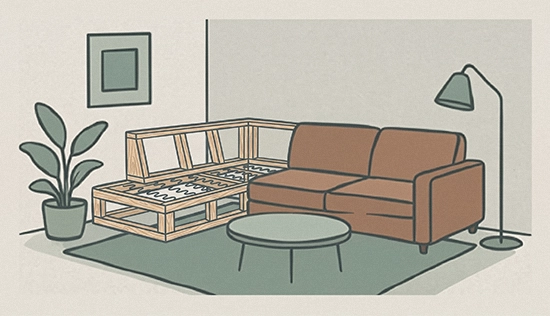
The frame creates the foundation for the entire sofa. A strong, stable frame helps the sofa maintain its shape and withstand the movement and weight of everyday use.
When comparing sofas, pay attention to the frame material and how solid the piece feels. Excessive movement, wobbling, or creaking can be signs that the internal structure is beginning to weaken.
Cushion Quality
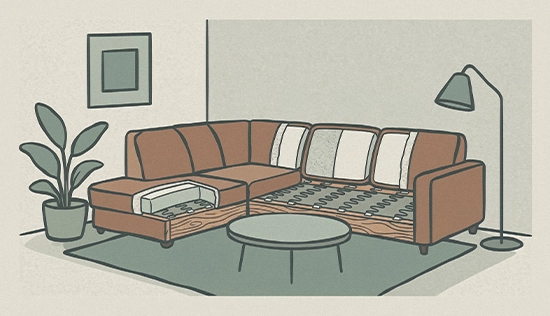
Cushion fill affects both comfort and longevity. Resilient cushions should provide support and return to their original shape after use.
Lower-density foam may soften or sag more quickly, particularly in the seats used most often. Rotating reversible cushions can help distribute wear more evenly and prevent one area from becoming noticeably softer than the rest.
Upholstery
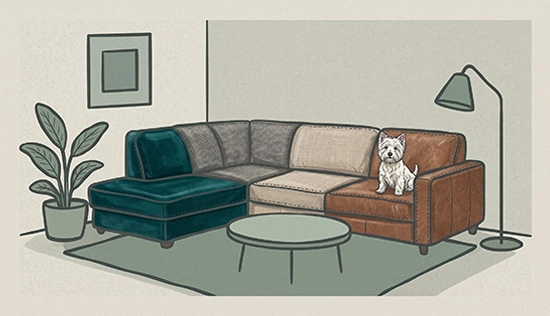
The right upholstery depends on how the sofa will be used. A fabric that works well in a formal sitting room may not be the most practical option for a home with children, pets, or frequent guests.
Look for upholstery suited to your household and daily routine. Fabric durability, fibre content, texture, colour, and care requirements can all influence how the sofa looks over time.
Support System
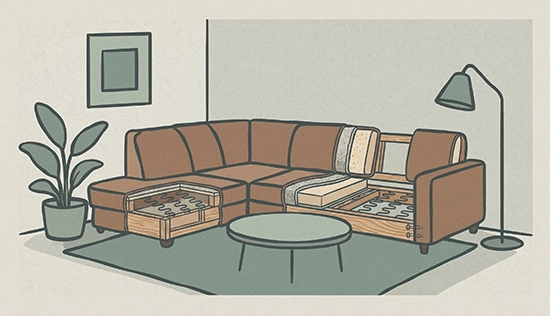
The springs or suspension beneath the cushions help create an even, supportive seat. A durable support system should remain comfortable without creating noticeable dips or uneven areas.
If the sofa begins to feel significantly lower in one spot or no longer offers consistent support, the internal system may be wearing down.
How Long will Your Sofa Really Last?
There is no one-size-fits-all answer. How long your sofa lasts depends on:

Frame
A strong, stable foundation

Cushions
Resilient fill that returns to shape

Upholstery
Fabric suited to your level of everyday use

Support
Springs or suspension that remain even and comfortable

Care
Regular cleaning, cushion rotation, and prompt spill treatment
While 7 to 15 years is often used as a general estimate, construction, use, and maintenance matter more than age alone.
How to Help Your Sofa Last Longer
Regular maintenance can make a meaningful difference to your sofa’s appearance and comfort. A few simple habits can help prevent uneven wear and keep the upholstery looking its best.
- Rotate reversible seat and back cushions regularly.
- Vacuum the upholstery and crevices to remove dust, crumbs, and pet hair.
- Treat spills promptly according to the manufacturer’s care instructions.
- Keep the sofa away from prolonged direct sunlight when possible to reduce fading.
- Avoid repeatedly sitting in the same spot if other seats are available.
Always check the sofa’s care label before using cleaning products. Different upholstery materials require different methods, and the wrong product can leave marks or damage the fabric.
Signs It May Be Time for a New Sofa
Visible wear does not always mean a sofa needs to be replaced. Some issues can be improved with cleaning, new cushion inserts, minor repairs, or updated accessories. Structural problems and ongoing discomfort, however, may indicate that the sofa is reaching the end of its useful life.
Common signs include:
- The frame feels loose, unstable, or unusually creaky.
- The cushions remain flattened after being rotated or reshaped.
- The seat no longer provides comfortable, even support.
- The upholstery is heavily frayed, torn, or worn beyond a practical repair.
- The sofa no longer fits the size, layout, or needs of your household.
Comfort matters. If you regularly avoid sitting on your sofa because it feels unsupportive or awkward, that may be a stronger reason to replace it than its age alone.
5 Signs it might be time for a new sofa

The frame feels loose or unstable

The cushions no longer regain their shape

The upholstery is worn beyond a practical repair

The seat no longer feels supportive

The sofa no longer fits your space or routine
Think Beyond the Initial Price
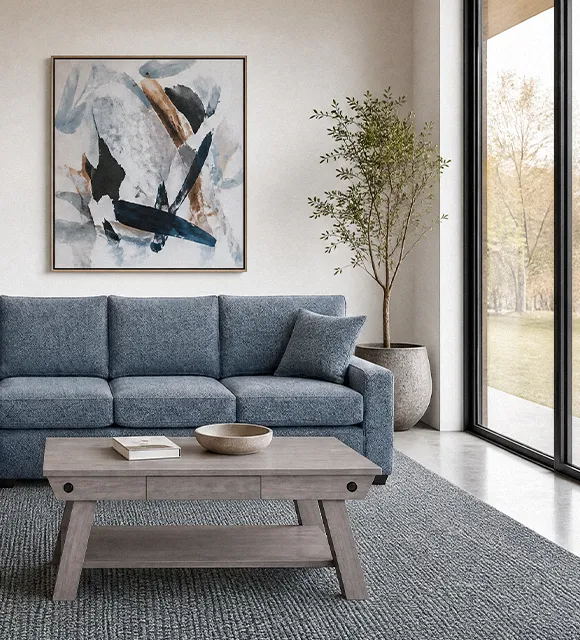
The least expensive sofa upfront is not always the most economical choice over time. Replacing a poorly constructed piece every few years can eventually cost more than choosing a durable sofa that suits your home from the beginning.
Price is only one part of the decision. Construction, comfort, materials, proportions, and maintenance requirements all contribute to a sofa’s long-term value.
Choose a Style That Can Evolve
A longer-lasting sofa should work with your home even as your style changes. Clean shapes and versatile upholstery can provide a flexible foundation that is easy to update with pillows, throws, rugs, and surrounding décor.
That does not mean every sofa needs to be neutral. If you love colour or pattern, choose something you can picture living with beyond a single trend. The goal is to find a design that still feels like you several years from now.