How to Make a Furniture Shopping List

Furniture shopping is easier when you know what you need before you begin browsing. Without a plan, it can be tempting to focus on individual pieces without considering how they will fit your space, support your routine, or work together.
A furniture shopping list gives you a clear place to record measurements, priorities, preferences, and budget. Whether you are furnishing several rooms or replacing one important piece, a little preparation can help you make more confident decisions.
Your Room-by-Room Furniture Checklist
Living Room
○ Main seating
○ Accent chair
○ Coffee table
○ Side table
○ Media or storage unit
○ Additional: __________
○ Additional: __________
BEDROOM
○ Bed frame
○ Nightstand
○ Dresser
○ Chest of drawers
○ Bench or accent chair
○ Additional: __________
○ Additional: __________
DINING ROOM
○ Dining table
○ Dining chairs
○ Bench
○ Counter or bar seating
○ Sideboard or cabinet
○ Additional: __________
○ Additional: __________
My notes
○ Room measurements
○ Delivery-route measurements
○ Preferred colours and materials
○ Required features
○ Purchase priorities
○ Budget


Start with Your Space and Routine
Before listing specific furniture, think about how each room is used and what you need it to do. The right choices should support your household’s everyday activities, available space, and personal style.
Consider the Purpose of Each Room
Start with the practical questions. Who uses the room? What activities happen there? What is working now, and what feels inconvenient?
A living room used for family movie nights may need generous, comfortable seating and accessible storage. A space used mainly for entertaining might benefit from flexible seating and surfaces for drinks or snacks.
Identify Your Style
Collect examples of rooms, colours, materials, and furniture shapes you like. You do not need to commit to one specific design style. The goal is to recognize the details that consistently appeal to you.
Your inspiration can also help you avoid buying pieces simply because they are currently popular. Focus on furniture that feels connected to your home and the way you want it to look.
Create a Simple Mood Board
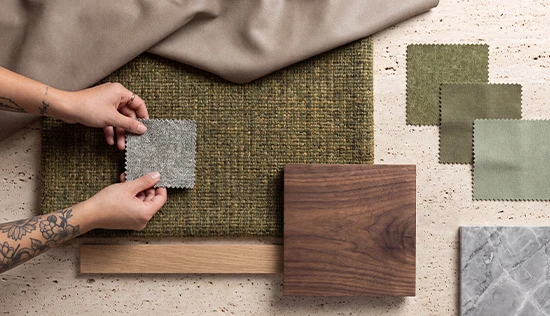
Save photos, fabric references, paint colours, and material samples in one place. A physical board, digital folder, or saved collection on your phone can all work.
Refer to it while shopping to keep your choices visually connected. It can be especially helpful when comparing upholstery colours, wood tones, and finishes.
Measure Your Space and Plan the Layout
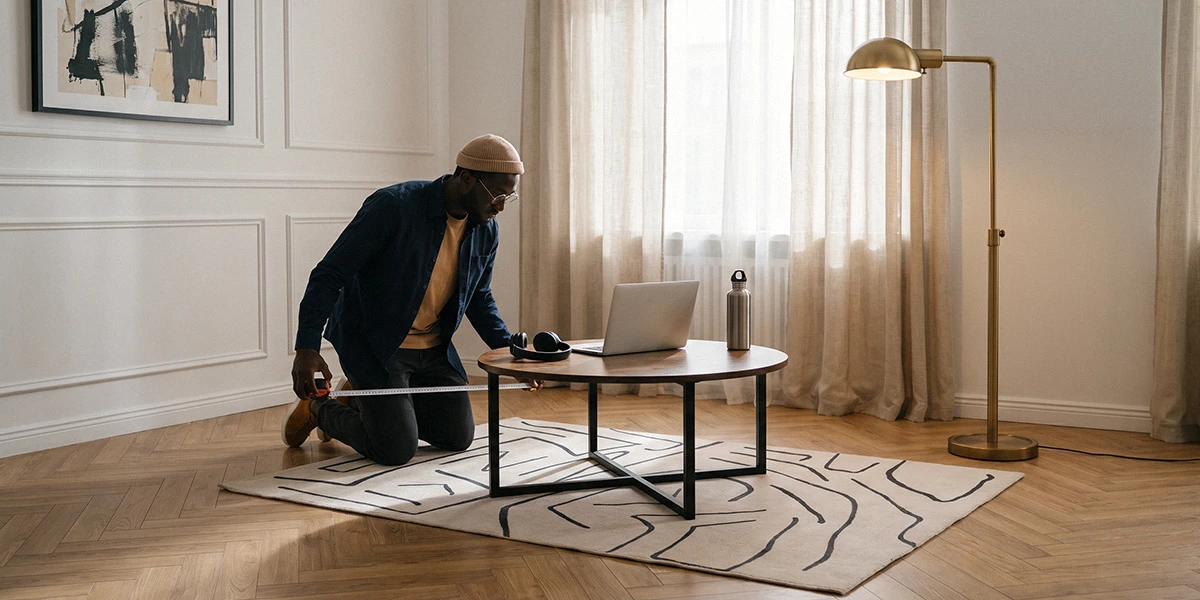
Room measurements help you determine what will fit, but they are only the beginning. You also need to consider walkways, doors, windows, and how the furniture will enter the home.
Record the Room Dimensions
Measure the room’s length, width, and ceiling height. Note the location and dimensions of windows, doorways, fireplaces, vents, radiators, outlets, and other fixed features that could affect placement.
Keep these measurements with your shopping list so they are easy to reference.
Check the Delivery Route
Measure every area the furniture will need to pass through, including exterior doors, hallways, stairways, elevators, and tight corners. Door width alone may not tell you whether a large piece can be brought into the room.
For apartments or condos, confirm any elevator dimensions, loading procedures, or building delivery requirements before ordering.
Map Out Your Furniture
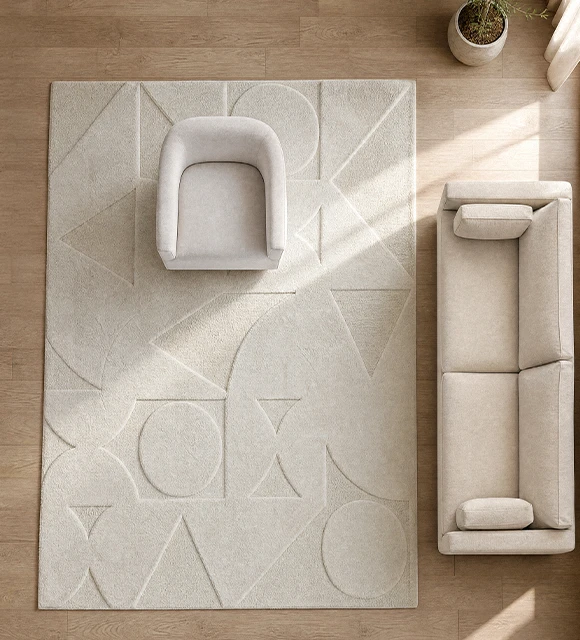
Create a basic floor plan and mark the proposed location of each major piece. You can sketch it on paper, use painter’s tape to outline furniture directly on the floor, or work with a digital planning tool.
Remember to leave enough space for comfortable movement. Check that doors, drawers, and cabinets can open fully without hitting nearby furniture.
3 Steps to measure
for new furniture
Step 1.

Measure the Room
Record the room’s length, width, and height. Note windows, doors, outlets, and fixed architectural features.
Step 2.

Measure the Way In
Check exterior doors, hallways, stairs, elevators, and tight corners along the delivery route.
Step 3.

Map the Layout
Plan the furniture footprint, walkways, and the clearance needed to open doors, drawers, and cabinets.
Build Your List Room by Room
Organizing your list by room makes a larger furnishing project feel more manageable. It also helps you see which pieces are essential and which ones can wait.
Begin with the Essentials
Begin with the Essentials
List the furniture each room needs to function. Depending on your home, these items might include a bed, dining table, sofa, desk, or storage piece.
Separate genuine needs from optional additions. Accent tables and decorative furniture can be added later if the room and budget allow.
Choose Your Purchase Order
Large, frequently used pieces will often determine the rest of a room’s layout. It may make sense to select the sofa, bed, dining table, or another primary piece first, then build around its dimensions and style.
Use three priority levels to organize your list:
- Buy first: Essential pieces needed for the room to function.
- Buy next: Useful additions that improve comfort or storage.
- Add later: Decorative or occasional pieces that complete the room.
This approach can help you furnish your home in stages without losing sight of the overall plan.
Record Important Features
Add practical requirements beside each item. These might include:
- Preferred dimensions
- Number of seats
- Storage requirements
- Fabric durability and care
- Cushion firmness
- Wood tone or finish
- Adjustable or extendable features
- Child-friendly or pet-friendly considerations
The more specific your notes are, the easier it will be to compare suitable options.
Consider Quality and Materials
Your shopping list should include more than product names. Record the construction, material, and maintenance details that matter to your household.
Choose Materials for Everyday Life
Think about how much use each piece will receive. A dining table used for meals, homework, and crafts may require different materials than one reserved for special occasions.
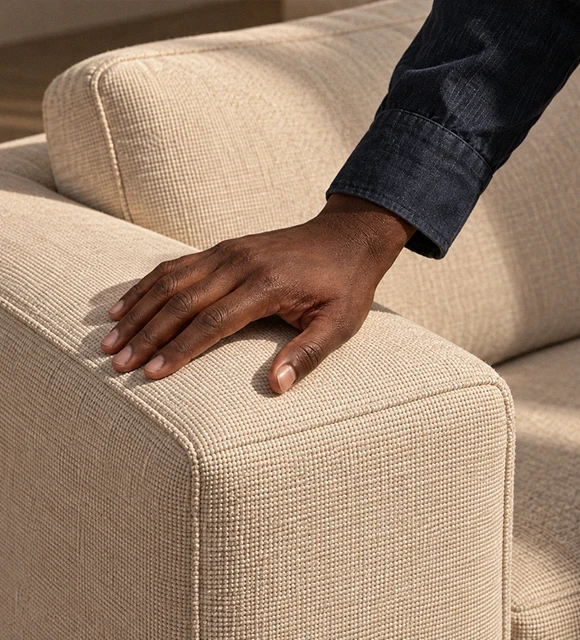
For upholstered furniture, consider the fabric’s texture, durability, colour, and cleaning requirements. For wood furniture, look at the construction, finish, and care instructions.

Compare More Than Appearance
Two pieces with a similar look can feel very different in person. When possible, compare comfort, stability, construction, proportions, and maintenance alongside the price.
A piece that suits your daily routine is more likely to remain useful than one chosen for appearance alone.
Set a Furniture Budget
A clear budget helps you decide where to invest, what to postpone, and which options are realistic.

Establish a Total Amount
Begin with the total amount you are comfortable spending. Research typical prices for the pieces on your list so the budget reflects the type, size, and materials you are considering.
Remember to account for applicable taxes, delivery fees, assembly, and any other costs associated with the purchase.
Prioritize High-Use Pieces
You may want to allocate more of your budget to furniture used every day, such as your sofa, mattress, bed frame, dining table, or desk chair.
Lower-priority pieces can be purchased gradually. Leaving some flexibility in the budget also gives you room to respond if an essential item costs more than expected.

Keep a Running Record
As you shop, record the price of each item and update your remaining budget. This simple habit makes it easier to compare options and prevents smaller purchases from quietly taking over funds intended for more important pieces.
Shop with a Clear Plan
Before purchasing anything, review your list, room measurements, delivery route, and budget. Confirm that each piece serves a purpose, fits the space, and works with the rest of your plan.
You do not need to furnish an entire home at once. Starting with the essentials and adding pieces over time can create a more considered space that reflects how you actually live.
Explore furniture from byrch to find practical, well-designed pieces for every room in your home.